Fungal nail infections often start small. A slight colour change, a bit of thickening, or a nail that doesn’t look quite right. Because it’s not painful in the beginning, many people leave it alone or try to manage it themselves.
What we see at Adelaide Fungal Nail Laser Clinic is that, over time, these infections rarely stay the same. Instead, they gradually become more noticeable, more difficult to treat, and more likely to spread.
Understanding why fungal nails continue to worsen can help you take the right steps earlier.
Fungal Nails Don’t Sit on the Surface
One of the main reasons fungal nails get worse is because the infection is not just on top of the nail. In most cases, it lives underneath the nail plate and within the nail bed.
This makes it difficult to reach. Even when the nail is filed down or treated on the surface, the fungus can remain active below.
As the infection progresses, the nail often becomes thicker and more distorted, which makes it even harder for treatments to reach the source.
The Nail Environment Supports the Infection
Fungi thrive in warm, enclosed environments. Shoes, socks and daily moisture create ideal conditions for the infection to continue.
If this environment doesn’t change, the fungus is able to persist and gradually spread.
This is also why reinfection is common. Even if the nail improves slightly, the surrounding environment can allow the infection to return.
Nails Grow Slowly – Which Slows Recovery
Toenails grow very slowly, often taking close to a year to fully replace.
That means even when the infection is under control, the damaged nail needs time to grow out. During this period, the nail can still appear thick, discoloured or uneven.
Because results are not immediate, many people assume treatments are not working and stop too early.
The Infection Can Spread Over Time
Fungal nail infections rarely stay isolated. If left untreated, they can:
- Spread to neighbouring nails
- Affect the surrounding skin
- Become more deeply embedded in the nail bed
As more of the nail becomes involved, the condition becomes harder to manage and may require more intensive treatment.
Why Early Treatment Makes a Difference
The earlier a fungal nail is treated, the easier it is to manage.
In early stages, the infection is usually less established and the nail structure is still relatively intact. Once the nail becomes thickened and damaged, treatment takes longer and requires a more targeted approach.
This is why waiting often leads to a more complex problem.
How We Approach Fungal Nails at Adelaide Fungal Nail Laser Clinic
At Adelaide Fungal Nail Laser Clinic, we focus on treating both the infection and the environment that allows it to persist.
Our approach may include:
- Careful assessment to confirm the diagnosis
- Nail preparation to improve treatment effectiveness
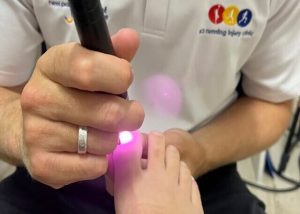
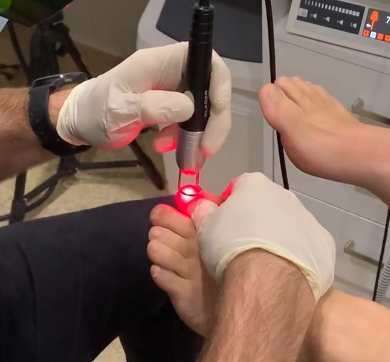
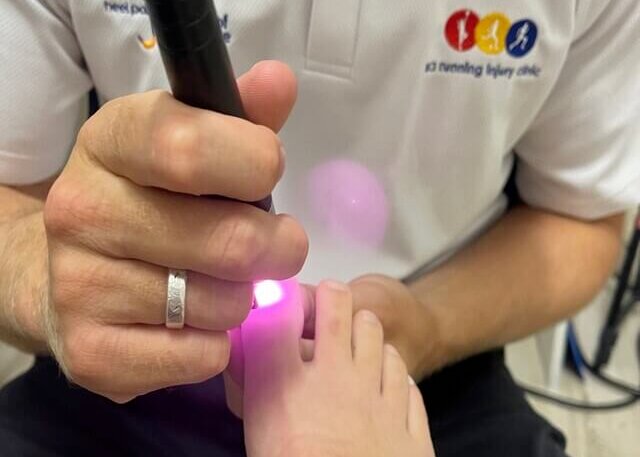
- K-Laser therapy, which penetrates through the nail to target the infection and support circulation
- Lunula Laser treatment, which helps stimulate healthier nail growth and supports the body’s natural response
- Ongoing advice to reduce reinfection risk
These treatments work differently from pharmacy options by reaching deeper structures and supporting long-term nail recovery.

A Realistic Perspective
Fungal nails do not clear overnight. Even with effective treatment, improvement is gradual and depends on new, healthy nail growth.
What matters is that the infection is brought under control and the nail is given the best chance to recover properly.
Final Thought
Fungal nail infections tend to worsen because they are difficult to reach, supported by their environment, and slow to grow out.
The longer they are left, the more established they become.
With the right approach, however, they can be managed effectively. Early assessment and appropriate treatment can make a significant difference in both outcome and recovery time.
Book your appointment today.